Green Steel India: Emissions & Sustainability in 2026
How India is meeting its environmental targets through sustainable steelmaking
Introduction: India's Commitment to Green Steel
India's steel industry stands at a pivotal juncture. Under the draft National Steel Policy 2025, India has committed to reducing steel mill emissions by approximately 25% by 2035–36. This ambitious target is pushing manufacturers to adopt cleaner technologies and sustainable practices. Green steel—steel produced with lower carbon emissions—is no longer a luxury but a necessity for the industry's future. Satyam Steel is actively pioneering green steelmaking initiatives to align with national sustainability goals.
What is Green Steel?
Green steel refers to steel produced using manufacturing processes that minimize environmental impact, particularly carbon emissions. Key characteristics include:
- Lower carbon footprint compared to conventional blast furnace steelmaking
- Use of renewable or clean energy sources in production
- Incorporation of recycled steel scrap reducing raw material demands
- Advanced technologies like hydrogen in steelmaking and carbon capture
Green Steel Technologies: DRI-EAF and Beyond
Several technologies are enabling green steel production:
- DRI-EAF Process: Direct Reduced Iron (sponge iron) in Electric Arc Furnaces produces steel with significantly lower emissions than traditional blast furnaces
- Hydrogen-Based Steelmaking: Using hydrogen as a reducing agent instead of carbon-based fuels
- CCUS Technology: Carbon Capture, Utilization, and Storage systems capture CO₂ emissions from the production process
- Renewable Energy Integration: Solar and wind power supplementing grid electricity in steel plants
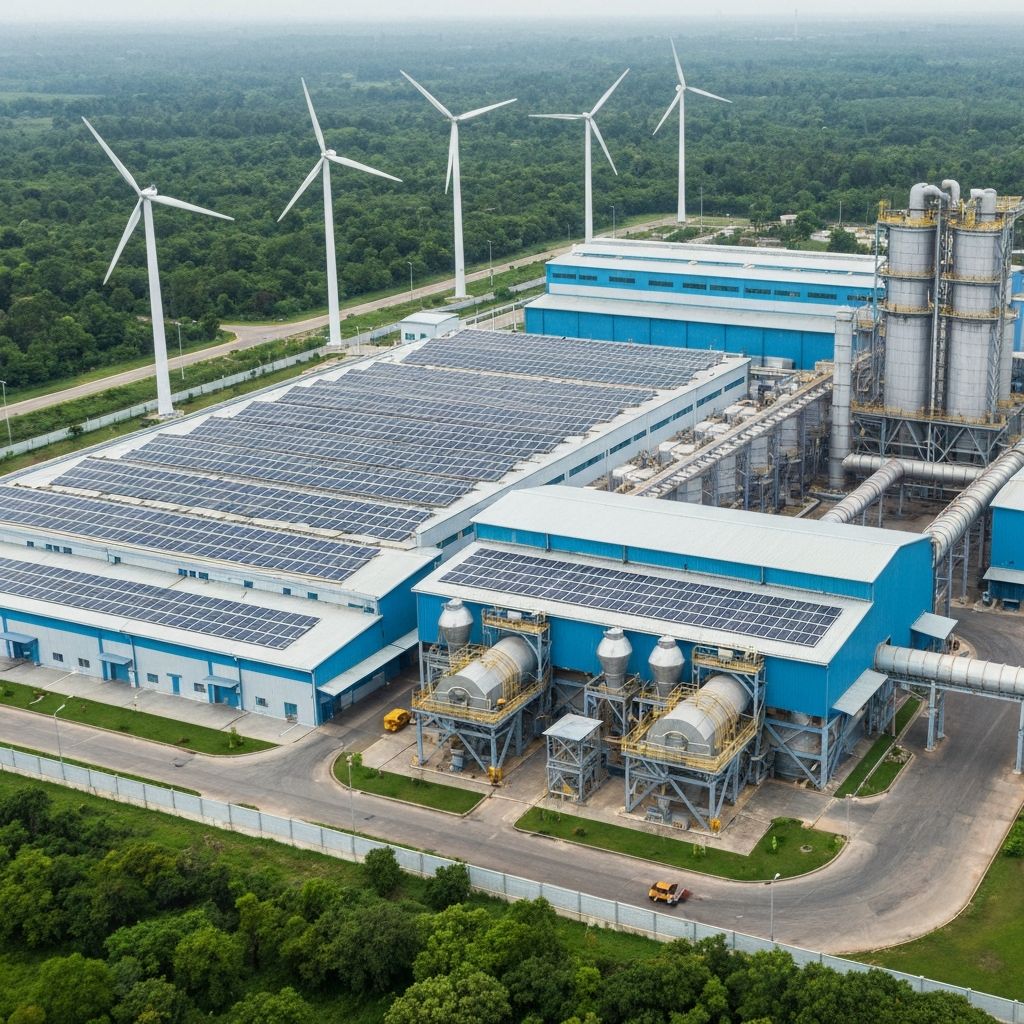
Our captive power plant demonstrates our commitment to sustainable energy utilization in steelmaking.
India's National Steel Policy 2025: Key Targets
The draft National Steel Policy 2025 outlines ambitious environmental targets:
- 25% reduction in steel mill emissions by 2035–36
- Shift towards gas-based and electric furnace-based production
- Increased utilization of scrap steel in EAF-based facilities
- Support and incentives for carbon capture and storage technologies
- Energy efficiency improvements across all manufacturing processes
The Role of Recycling in Green Steel
Steel's recyclability is a cornerstone of the green steel narrative. Unlike many materials, steel can be recycled indefinitely without losing its properties. End-of-life steel pipes, structures, and products can be melted down to produce new steel, supporting a circular economy. This recycling process:
- Reduces the need for iron ore and coal extraction
- Lowers energy consumption (recycled steel requires 75% less energy than primary steel)
- Minimizes mining-related environmental disruption
- Supports sustainable resource management
CBAM: Carbon Border Adjustment Mechanism
The European Union's Carbon Border Adjustment Mechanism (CBAM) is setting global standards for carbon-intensive products, including steel. Indian steel manufacturers exporting to the EU must comply with CBAM requirements, creating an incentive to reduce emissions and adopt green steelmaking practices. This regulatory pressure is accelerating the transition to green steel across India's steel industry.
Satyam Steel's Sustainability Initiatives
Satyam Steel is committed to sustainable steelmaking through multiple initiatives. Our focus on energy efficiency, waste reduction, and clean production processes positions us as a leader in India's green steel movement. Our sustainability page outlines our detailed environmental commitments.
Green Steel Products for Modern Applications
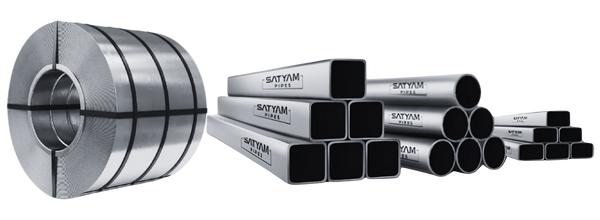
Our products like billets, blooms, and slabs are increasingly produced using sustainable methods, making them ideal choices for environmentally conscious builders and manufacturers. Green steel products meet the same quality standards as conventional steel while offering reduced environmental impact.
Regional Opportunities: West Bengal's Green Steel Hub
Industrial regions like Durgapur, Asansol, and Raniganj are becoming centers for green steel innovation. The availability of coal and mining infrastructure, combined with growing environmental awareness, makes these regions ideal for implementing green steelmaking technologies.
FAQs
Q1. What is green steel?
Green steel refers to steel produced with lower carbon emissions. This can involve using renewable energy, hydrogen in steelmaking, recycling scrap in electric furnaces (EAF), or carbon capture technologies to reduce the environmental impact of production.
Q2. How is India reducing steel industry emissions?
Under the draft National Steel Policy 2025, India plans to cut steel mill emissions by about 25% by 2035–36. The strategy includes shifting to gas-based and electric furnaces, increasing scrap usage, and supporting carbon capture and storage (CCUS) in steel plants.
Q3. How does recycling steel scrap help?
Recycling steel scrap reduces the need for raw iron ore and coal, lowering energy consumption and emissions. Steel's recyclability means pipes and structures at end-of-life can be melted down to make new steel, supporting a circular economy.
Choose Green Steel for Your Projects
Contact Satyam Steel to source sustainable, high-quality steel products that meet modern environmental standards and support India's green steel goals.