AI & Industry 4.0 in India's Steel Industry
Transforming steel manufacturing through digital innovation and automation
Introduction: The Digital Revolution in Steel
India's steel manufacturing sector is experiencing a profound digital transformation. The Ministry of Steel has embraced Industry 4.0 initiatives, integrating artificial intelligence, machine learning, and automation technologies across the value chain. This shift is not just improving operational efficiency—it's fundamentally reshaping how steel plants operate, from predictive maintenance to real-time quality control. Satyam Steel is at the forefront of this digital revolution, leveraging cutting-edge technology to deliver superior products and services.
How AI is Transforming Steel Manufacturing
Artificial intelligence is being deployed across multiple aspects of steel production to optimize efficiency and quality:
- Predictive Maintenance: AI algorithms analyze equipment sensor data to predict failures before they occur, reducing unplanned downtime and maintenance costs
- Quality Control: Computer vision systems inspect steel products in real-time, detecting defects with precision far exceeding manual inspection
- Supply Chain Optimization: Machine learning models optimize inventory, logistics, and resource allocation across the production network
- Energy Management: AI systems optimize power consumption, helping steel plants reduce operational costs and environmental impact
Our innovation page showcases how we integrate these technologies into our operations.
Industry 4.0: Connecting the Steel Plant
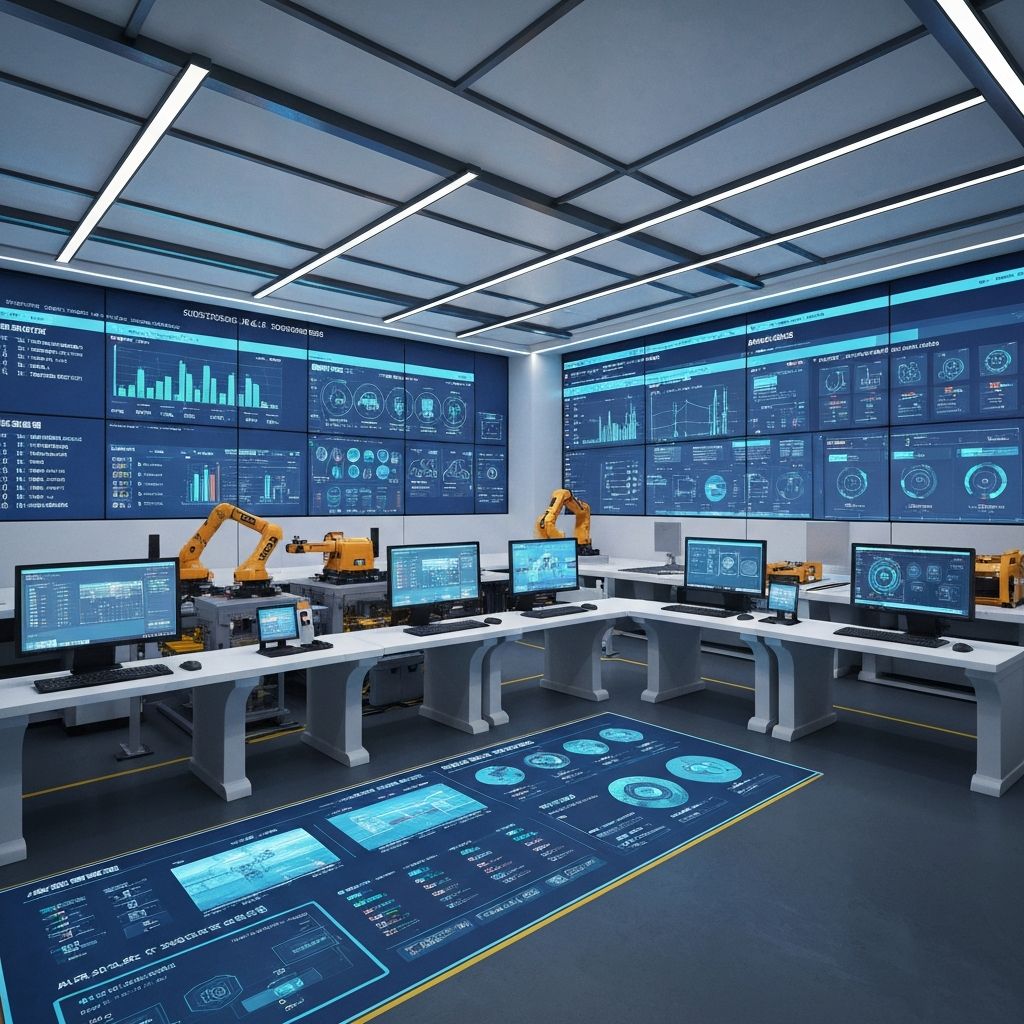
Industry 4.0 represents the integration of IoT (Internet of Things), cloud computing, and data analytics into manufacturing environments. In steel plants, this means:
- Smart sensors throughout production equipment enabling real-time monitoring
- Digital twins of manufacturing processes for simulation and optimization
- Automated decision-making based on real-time data insights
- Integration of supply chain, production, and quality data into unified platforms
Ministry of Steel's AI Roadmap
The Ministry of Steel has announced a comprehensive roadmap for digital transformation in the sector, focusing on:
- Adoption of AI and automation across integrated steel plants
- Development of data standardization protocols
- Investment in digital infrastructure and cybersecurity
- Upskilling the workforce for Industry 4.0
Real-World Benefits: Efficiency, Quality, and Safety
The implementation of AI and digital technologies in steel manufacturing delivers tangible benefits:
- Improved Efficiency: Reduced cycle times and optimized resource utilization increase productivity
- Enhanced Quality: Consistent product quality through automated quality control systems reduces defects
- Increased Safety: Automation of hazardous processes reduces workplace accidents
- Cost Reduction: Preventive maintenance and optimized operations lower overall production costs
Sustainability Through Digitalisation
Digital innovation also supports sustainability goals. AI-powered energy management systems optimize power usage, while predictive analytics help reduce waste in the production process. Our captive power plant and advanced production facilities demonstrate our commitment to sustainable manufacturing.
Product Quality Benefits
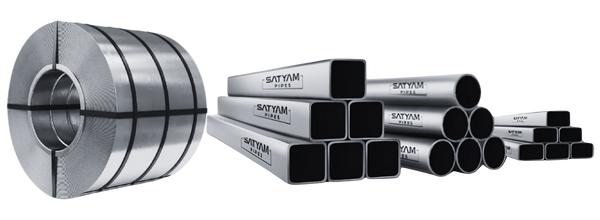
AI and digital technologies directly enhance the quality of products like our MS hot-rolled coils and ERW round pipes, ensuring consistency and reliability for demanding applications.
The Human Element: Workforce Development
While automation plays a key role, the human workforce remains essential. Steel plants are investing in training programs to upskill workers for Industry 4.0 roles—from data analysis to robotic system operation. This creates new career opportunities in the sector.
Regional Impact: Opportunities in West Bengal
Steel manufacturing clusters in West Bengal regions like Durgapur, Asansol, and Raniganj are pioneering digital transformation initiatives. These areas are becoming hubs of Industry 4.0 adoption, creating jobs and driving economic growth.
FAQs
Q1. How is AI used in steel quality control?
AI-powered computer vision systems inspect steel products in real-time, detecting surface defects, dimensional variations, and other quality issues with high accuracy, ensuring consistent product quality.
Q2. What benefits does digitalisation bring to steel plants?
Digitalisation enables real-time monitoring, data-driven decision-making, and automation. Benefits include reduced downtime, improved product consistency, faster issue detection, and better resource management.
Q3. How does Industry 4.0 improve sustainability?
AI-powered energy management optimizes power consumption, predictive analytics reduce waste, and automated processes enhance overall operational efficiency, contributing to lower emissions and environmental impact.
Experience AI-Driven Steel Solutions
Contact Satyam Steel to learn how our digitally-advanced manufacturing ensures superior quality and reliability in every product.