GI vs GP Steel Pipes: What's the Difference?
Understanding coating types and choosing the right pipe for your application
Introduction
GI (Galvanized Iron) and GP (Pre-Galvanized or Partially Galvanized) pipes are among the most widely used types of steel pipes in construction, plumbing, fencing, and structural applications. Many buyers search "GI vs GP" before making purchasing decisions. Understanding the differences between these two types is essential for selecting the right pipe for your specific needs and ensuring long-term performance.
What Are GI and GP Pipes?
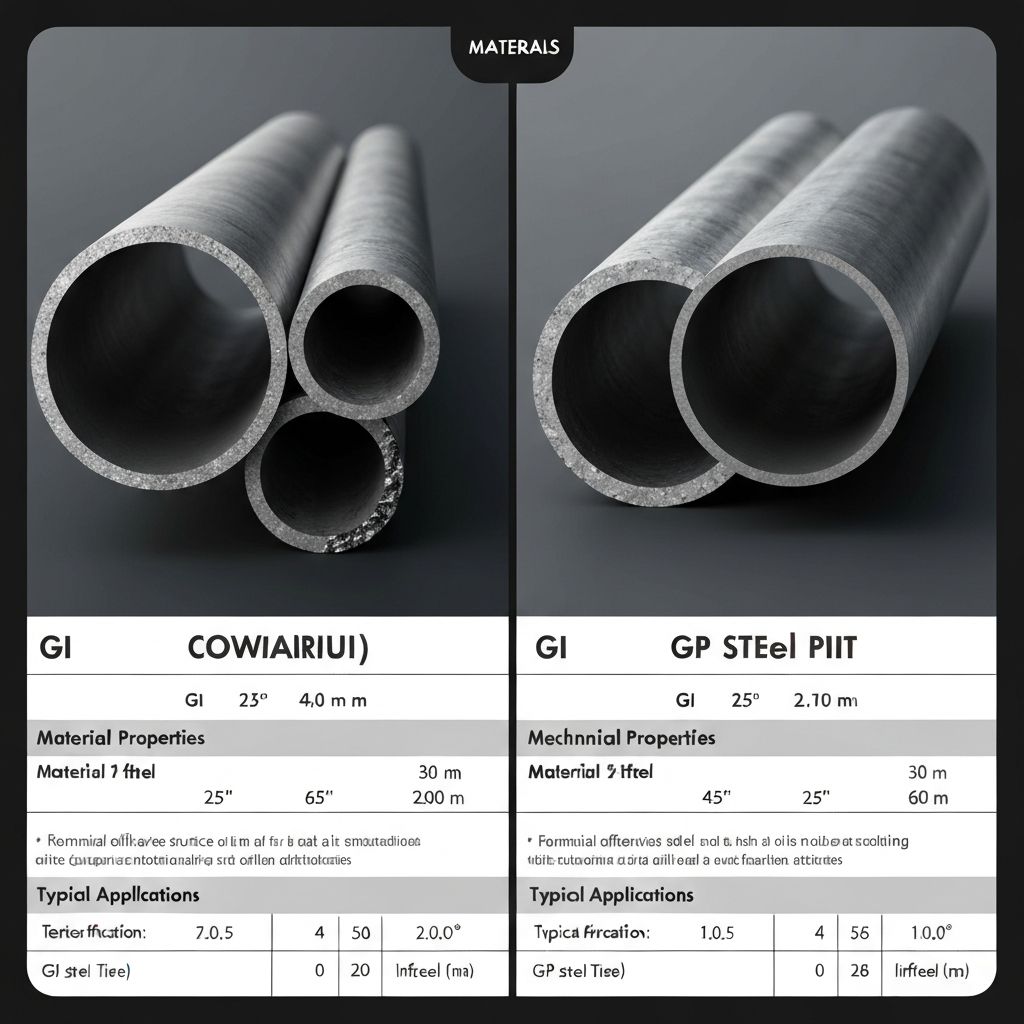
Both GI and GP pipes are steel pipes coated with zinc to prevent rust and corrosion. However, the coating process differs significantly:
- GI (Galvanized Iron) Pipes: Steel pipes are hot-dipped in molten zinc after final fabrication. This creates a thicker, more durable zinc coating.
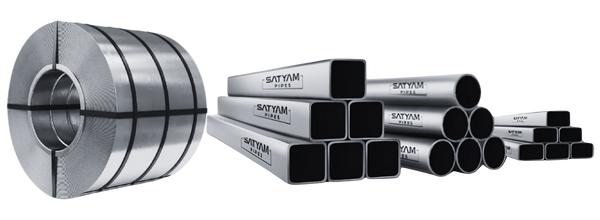
- GP (Pre-Galvanized) Pipes: Steel coil is galvanized first, then formed into pipes. The zinc coating is applied before pipe forming, resulting in a thinner coating on the formed edges.
Durability and Cost Comparison
The key differences between GI and GP pipes lie in their durability and cost characteristics:
| Feature | GI Pipes | GP Pipes |
|---|---|---|
| Zinc Coating Thickness | Thicker (100-150 microns) | Thinner (20-50 microns on formed areas) |
| Lifespan | 25-50+ years | 10-25 years |
| Cost | Higher | Lower |
| Corrosion Resistance | Superior | Good (for normal conditions) |
| Environmental Performance | Excellent in harsh conditions | Adequate for mild conditions |
Which Pipe for Which Application?
Choosing between GI and GP pipes depends on your specific application and environmental conditions:
Use GI Pipes For:
- Coastal and marine environments (high corrosion risk)
- Industrial applications with chemical exposure
- Water supply and sewage systems
- Structural applications requiring high durability
- Applications where long-term reliability is critical
- Projects near salt water or corrosive atmospheres
Use GP Pipes For:
- Residential plumbing (indoor and mild outdoor)
- Fencing and non-structural applications
- Light-duty construction applications
- Budget-sensitive projects with normal conditions
- Interior scaffolding and temporary structures
- Applications in dry climates without chemical exposure
Maintenance Considerations
While both GI and GP pipes are corrosion-resistant, maintenance needs differ:
- GI Pipes: Require minimal maintenance, with occasional cleaning to maintain appearance
- GP Pipes: May require periodic inspection and touch-ups in high-corrosion environments
Price vs. Performance
When evaluating cost, consider the total cost of ownership:
- GI pipes cost more initially but last significantly longer, reducing replacement costs
- GP pipes are cheaper upfront but may need replacement sooner in corrosive environments
- Long-term projects benefit more from GI pipes due to extended lifespan
FAQs
Q1. What is the difference in coating thickness?
GI pipes have thicker zinc coatings (100-150 microns), while GP pipes have thinner coatings (20-50 microns, especially on formed areas).
Q2. Which pipe lasts longer?
GI pipes typically last 25-50+ years, while GP pipes last 10-25 years depending on environmental conditions.
Q3. Can GP pipes be used in marine environments?
Not recommended. GI pipes are superior for marine and highly corrosive environments. GP pipes are suitable for mild indoor and protected outdoor applications.
Need Quality GI or GP Pipes?
Satyam Steel provides both GI and GP pipes tailored to your specific application needs. Contact us for expert recommendations.