Sponge Iron: The Future of Sustainable Steel
Revolutionizing steel manufacturing with Direct Reduced Iron (DRI)
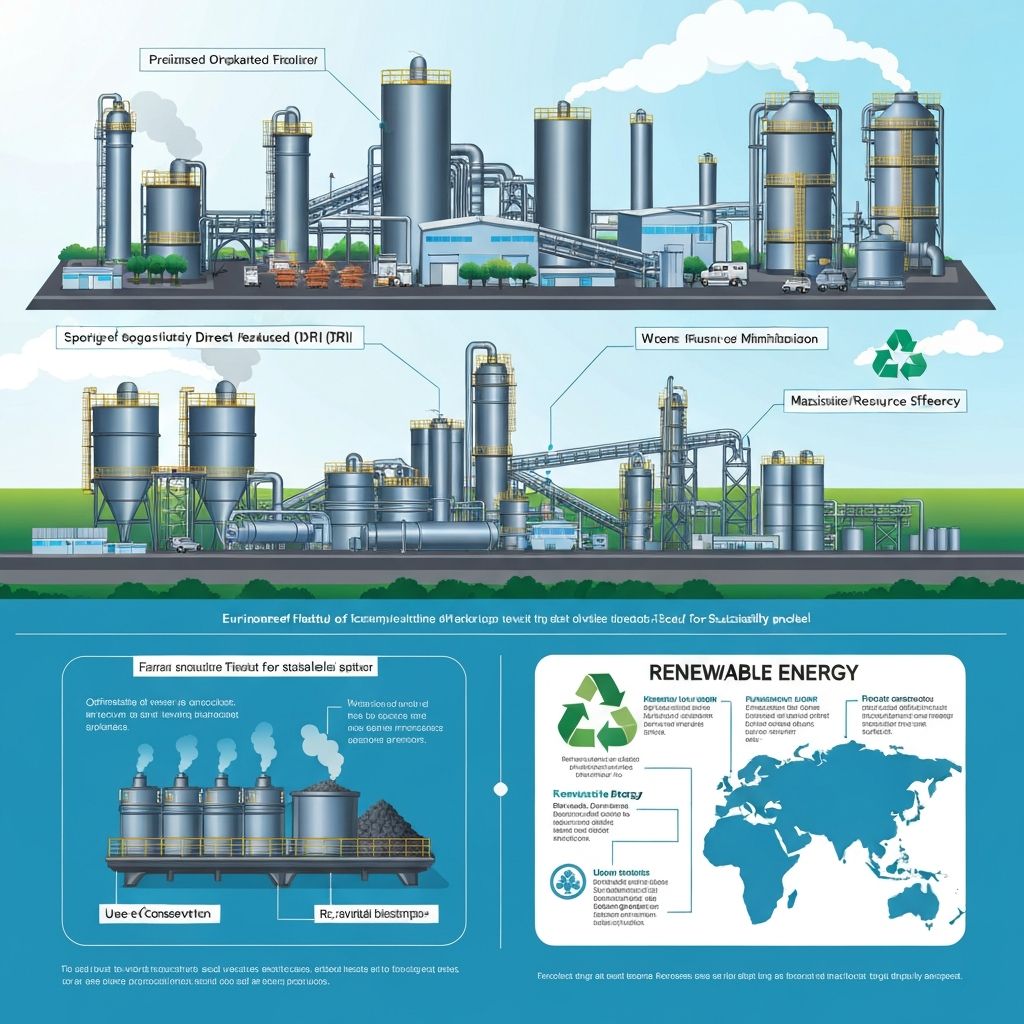
As the global steel industry faces mounting pressure to reduce carbon emissions and embrace sustainable practices, sponge iron—also known as Direct Reduced Iron (DRI)—has emerged as a game-changing solution. This innovative material is transforming steel production by offering a cleaner, more efficient alternative to traditional blast furnace methods.
What is Sponge Iron?
Sponge iron is a refined form of iron ore characterized by its metallic content ranging from 80% to 85%. Unlike conventional steelmaking processes that rely on blast furnaces and coke, sponge iron is produced through direct reduction, where iron ore is converted to metallic iron at temperatures below the melting point of iron (typically between 800°C to 1100°C).
The term "sponge" iron derives from the material's porous, sponge-like appearance after the reduction process. This unique structure results from the removal of oxygen from iron ore while maintaining the solid state of the material.
The Direct Reduction Process
The production of sponge iron involves a sophisticated yet environmentally friendly process:
- Raw Material Preparation: High-grade iron ore (hematite Fe₂O₃) with 63-65% iron content and low gangue content (4-5%) is selected.
- Reduction in Rotary Kiln: The iron ore is fed into a rotary kiln that operates at variable rotational speeds and maintains temperatures between 800°C and 1100°C.
- Use of Non-Coking Coal: Unlike traditional blast furnaces, the sponge iron process uses non-coking coal as both a reducing agent and heat source.
- Fluxing Agent: Dolomite is added to minimize sulfur content in the final product, ensuring higher purity.
- Controlled Atmosphere: The reducing atmosphere facilitates the removal of oxygen from iron oxide without melting the iron.
Environmental Advantages of Sponge Iron
Lower Carbon Emissions
The direct reduction process generates significantly fewer CO₂ emissions compared to traditional blast furnace routes. By eliminating the need for coke production, sponge iron manufacturing reduces the carbon footprint of steel production by up to 50%.
Energy Efficiency
Sponge iron production requires less energy than conventional steelmaking methods. The use of waste heat recovery systems in modern DRI plants further enhances energy efficiency.
Reduced Air Pollution
Without the coking process, sponge iron manufacturing eliminates many toxic emissions associated with traditional steel production, including sulfur dioxide, particulate matter, and volatile organic compounds.
Waste Minimization
By-products from sponge iron production, such as dolochar, can be repurposed for alternative applications, including fuel for power generation.
Superior Quality and Purity
- High Metallic Content: With 80-85% metallic iron, DRI provides a concentrated source of pure iron for steelmaking.
- Low Impurities: The direct reduction process minimizes contamination from sulfur, phosphorus, and other impurities.
- Consistent Composition: Controlled production parameters ensure uniform chemical composition.
- Enhanced Steel Properties: Steel produced using sponge iron exhibits superior mechanical properties, including improved tensile strength and weldability.
Key Applications of Sponge Iron
- Mild Steel Production: DRI serves as the primary raw material for producing mild steel, including blooms, slabs, and billets.
- Electric Arc Furnace (EAF) Feedstock: Sponge iron is an ideal charge material for electric arc furnaces.
- Specialty Steel Grades: The high purity makes it valuable for producing automotive-grade steel, tool steel, and stainless steel.
- Construction Materials: Steel produced from sponge iron is widely used in construction applications.
Global Market Trends and Future Outlook
- Increasing Environmental Regulations: Stricter emissions standards worldwide are pushing steel manufacturers toward cleaner production methods.
- Growing Infrastructure Development: Major infrastructure projects in emerging economies are driving demand for high-quality steel.
- Technological Advancements: Innovations in DRI technology, including hydrogen-based reduction processes, are improving efficiency.
- Circular Economy Integration: The steel industry's shift toward circular economy principles favors sponge iron production.
Conclusion
Sponge iron stands at the forefront of sustainable steel manufacturing, offering a powerful combination of environmental benefits, superior quality, and economic advantages. As the global steel industry transitions toward greener production methods, Direct Reduced Iron will play an increasingly central role in meeting the world's demand for high-quality steel products.
Interested in sourcing high-quality sponge iron for your steel production needs? Contact Satyam Steel to learn how our premium DRI products can enhance your manufacturing efficiency while supporting your sustainability objectives.
Embrace Sustainable Steel Production
Discover how Satyam Steel's sponge iron (DRI) can help you reduce emissions while maintaining superior steel quality.