Carbon-Neutral Steel: Hydrogen's Role
India's green steel revolution and low-carbon pipe manufacturing
India's Green Steel Push: Budget & Missions
India is embarking on a transformative journey toward carbon-neutral steel production. The 2026 Union Budget earmarks a landmark ₹20,000 crore allocation for Carbon Capture and Storage (CCUS) initiatives in hard-to-abate sectors, including steel. Simultaneously, the National Green Hydrogen Mission is accelerating pilot projects to integrate green hydrogen into steelmaking. These initiatives signal India's commitment to net-zero goals and align the steel industry with global ESG standards and climate mandates. For pipe manufacturers and buyers, this shift represents both a sustainability imperative and a competitive advantage.
Hydrogen Use in Steelmaking: The Technology
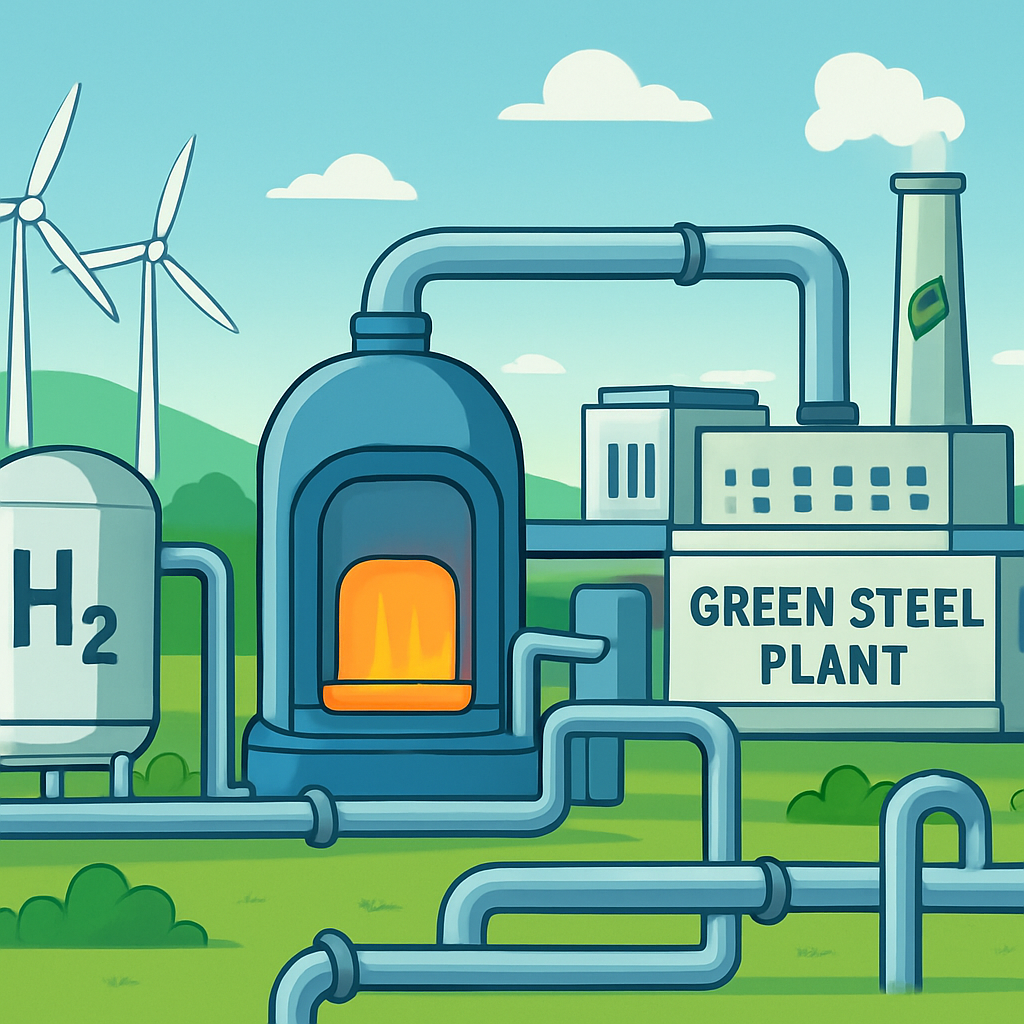
Traditional steelmaking relies on coal-based blast furnaces, which contribute significantly to global CO₂ emissions. Green hydrogen offers a transformative alternative:
- DRI Production: Green hydrogen replaces coal in direct reduction of iron (DRI) processes, producing iron oxide pellets with vastly reduced emissions.
- Electric Arc Furnaces (EAF): EAFs powered by renewable electricity and fed by scrap or DRI produce steel with 70–80% lower emissions than blast furnaces.
- Hybrid Approaches: Pilot projects are testing 50–100% hydrogen blending in blast furnaces and hybrid systems combining DRI, EAF, and hydrogen inputs.
Indian pilot projects (Matrix Gas, Simplex Castings, SAIL) are trialling these technologies with ~$41 million in government funding, targeting large-scale rollout by 2028–2030.
New Pipe Technologies for Hydrogen Transport
As hydrogen emerges as an energy vector, the infrastructure to transport it safely requires specialized steel pipes. Tata Steel recently announced a breakthrough:
- API X65 Hydrogen-Grade ERW Pipes: Designed to safely transport 100% pure hydrogen gas at pressures up to 100 bar, these pipes feature specialized alloy chemistry and weld properties that prevent hydrogen embrittlement—a phenomenon where hydrogen atoms can weaken steel over time.
- Enhanced Material Specifications: Hydrogen-ready pipes require tighter tolerances, enhanced ductility testing, and specialized surface treatments to avoid hydrogen absorption.
- Refueling & Distribution Infrastructure: As hydrogen refueling stations and distribution networks expand, demand for hydrogen-grade pipes will accelerate.
Decarbonisation Impacts on Buyers & Project Planners
The shift toward green steel is reshaping how large infrastructure projects source materials:
- ESG Criteria: Financiers and governments increasingly prioritize "green-certified" or low-carbon steel for infrastructure and public works. Buyersface pressures to select pipes from sustainable sources.
- Regulatory Evolution: The EU's Carbon Border Adjustment Mechanism (CBAM) and similar regulations will eventually extend to India, making carbon-neutral production a competitive necessity.
- Price Premium: While green steel may carry a near-term cost premium, long-term sustainability goals and ESG mandates are driving adoption despite higher prices.
Satyam Steel's Sustainability Initiatives
Satyam Steel is positioned to lead the green steel transition. With a captive power plant and sustainability focus, we are exploring hydrogen integration and CCUS-compatible processes. Our commitment to innovation ensures we remain at the forefront of low-carbon pipe manufacturing.
Future-Proofing Infrastructure Projects
For large infrastructure buyers, adopting green steel today signals forward-thinking stewardship. Consider:
- Specifying low-carbon or green-certified pipes in project RFQs
- Partnering with suppliers committed to sustainability roadmaps
- Planning for hydrogen-ready infrastructure where applicable (energy, refueling)
- Building sustainability metrics into supplier scorecards and procurement strategies
FAQs
Q1. What is green steel?
Green steel is produced using low or zero fossil fuels, typically via green hydrogen, renewable electricity, and EAF or DRI processes. Indian pilot projects are now using 100% green hydrogen in furnaces, drastically cutting CO₂ versus coal-based blast furnaces.
Q2. What projects support green hydrogen in steelmaking?
The Indian government has approved three pilot projects (Matrix Gas, Simplex Castings, SAIL) with ~$41 million total funding under the Green Hydrogen Mission. These will test large-scale green hydrogen use over 2–3 years, paving the way for industry-wide adoption.
Q3. How are steel pipes used in hydrogen infrastructure?
New steel grades are required for pure hydrogen pipelines. Tata Steel's API X65 ERW pipes safely transport 100% hydrogen at high pressure. Such hydrogen-ready pipes will be critical for refueling stations, supply networks, and industrial hydrogen hubs.
Q4. Should buyers specify green steel for projects?
Yes. Specifying low-carbon or green-certified pipes aligns projects with ESG mandates, future regulations (like EU CBAM), and sustainability goals. It also future-proofs infrastructure against emerging carbon tariffs and compliance costs.
Choose Green Steel for Your Next Project
Satyam Steel is committed to sustainable pipe manufacturing. Discuss how our eco-friendly initiatives and green steel options can support your infrastructure projects and ESG goals.