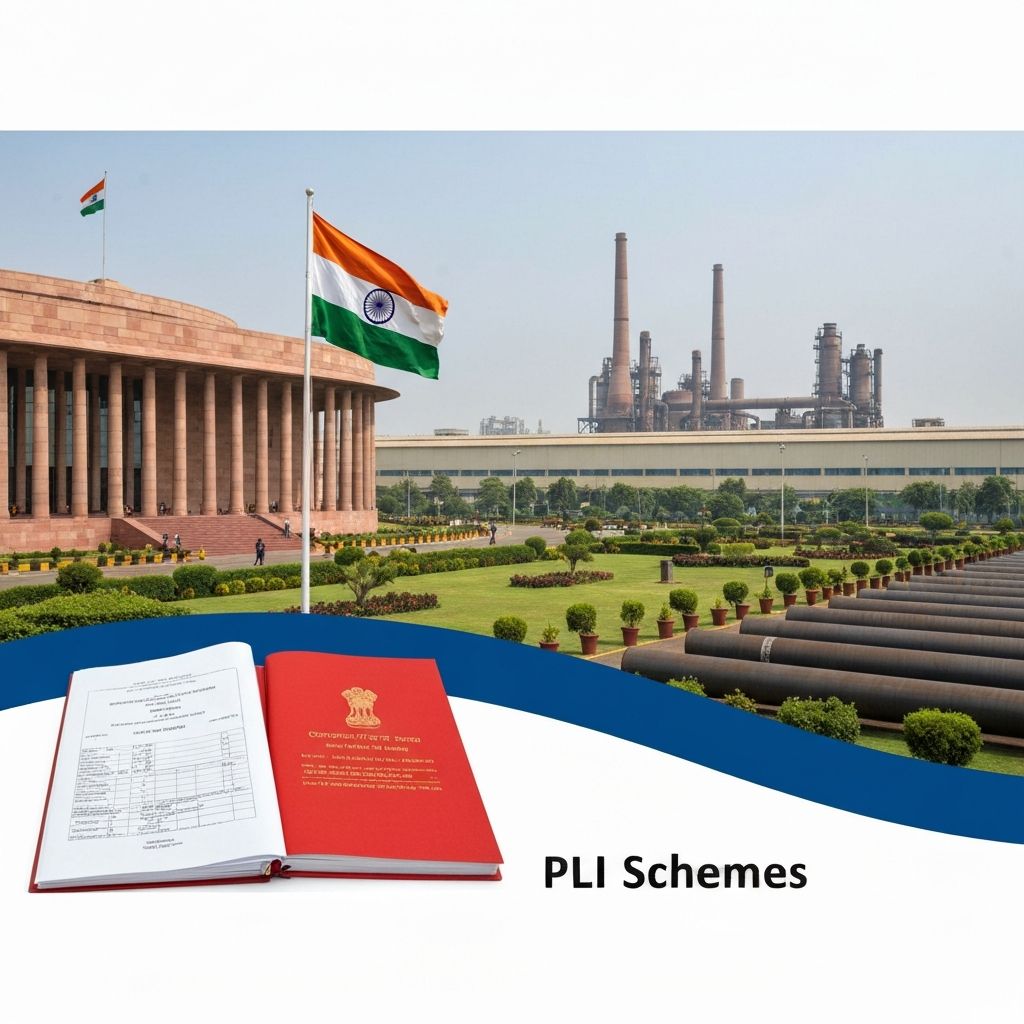
Government Policy & PLI Schemes for Steel Pipes
Understanding recent government measures and their impact on steel pipe manufacturing
Introduction
The steel pipe manufacturing sector in India is experiencing significant policy support as part of the government's Make-in-India initiative. Recent measures, including the Production-Linked Incentive (PLI) scheme proposals and anti-dumping duties, are reshaping the competitive landscape. Understanding these policies is crucial for buyers and manufacturers alike, as they directly impact pricing, supply availability, and product competitiveness in the global market.
PLI & Exports: What's on the Table?
The Seamless Tube Manufacturers' Association has been actively lobbying for a Production-Linked Incentive scheme specifically targeting pipe exports. The proposed PLI scheme aims to:
- Incentivize domestic manufacturers to increase export volumes
- Make Indian pipes more competitive in global markets
- Support specialty steel pipe production for high-demand sectors
- Boost manufacturing capacity and technology upgrades
For more context on India's manufacturing capabilities, explore our company overview.
Import Duties and Safeguards
To protect domestic manufacturers from cheap imports, the government has implemented and proposed various import duty measures:
- Higher import duties on foreign pipes to level the playing field
- Anti-dumping measures against manufacturers flooding the market
- Safeguard duties on specific product categories
- Quality standards enforcement for imported products
These measures ensure that domestic manufacturers maintain quality standards while protecting market share.
Budget 2026 Impact on Steel Infrastructure
The Union Budget 2026 continues to emphasize infrastructure development, which directly benefits the steel pipe sector:
- Increased allocation for highway and railway projects requiring extensive pipe infrastructure
- Support for urban development and metro rail expansion projects
- Renewable energy projects (solar, wind) needing steel pipe components
- Water supply and sewage infrastructure development across cities
Check out our ERW round pipes and other products designed for these infrastructure needs.
How These Policies Affect Buyers
For end-users and contractors, these government policies translate into several practical implications:
- More competitive pricing due to domestic competition
- Improved quality standards across the industry
- Better availability of specialty steel pipes
- Greater incentive for manufacturers to innovate and improve
Industry Compliance and Support
Responsible manufacturers like Satyam Steel align with these policies by maintaining high industry standards and supporting government initiatives. Visit our innovation and compliance page to learn about our commitment to quality and industry standards.
What This Means for Steel Pipe Suppliers
Manufacturers in key regions like Durgapur, Asansol, and West Bengal are positioned to benefit from these initiatives. The emphasis on domestic production and quality creates opportunities for established, quality-focused manufacturers to expand their market presence.
FAQs
Q1. What is the PLI scheme for steel pipes?
The PLI scheme proposes to incentivize domestic steel pipe manufacturers to increase production and exports, making Indian pipes more globally competitive.
Q2. How do import duties affect pipe prices?
Higher import duties protect domestic manufacturers and can lead to more stable pricing as foreign competition decreases.
Q3. Which sectors benefit most from Budget 2026?
Infrastructure, urban development, renewable energy, and water supply projects are the primary beneficiaries of the increased budget allocations.
Stay Updated on Industry Policies
Contact Satyam Steel to understand how government initiatives impact your pipe sourcing strategy and project timeline.