Steel vs PVC/Plastic Pipes: Pros and Cons
Comparing materials to find the right solution for your project
Introduction
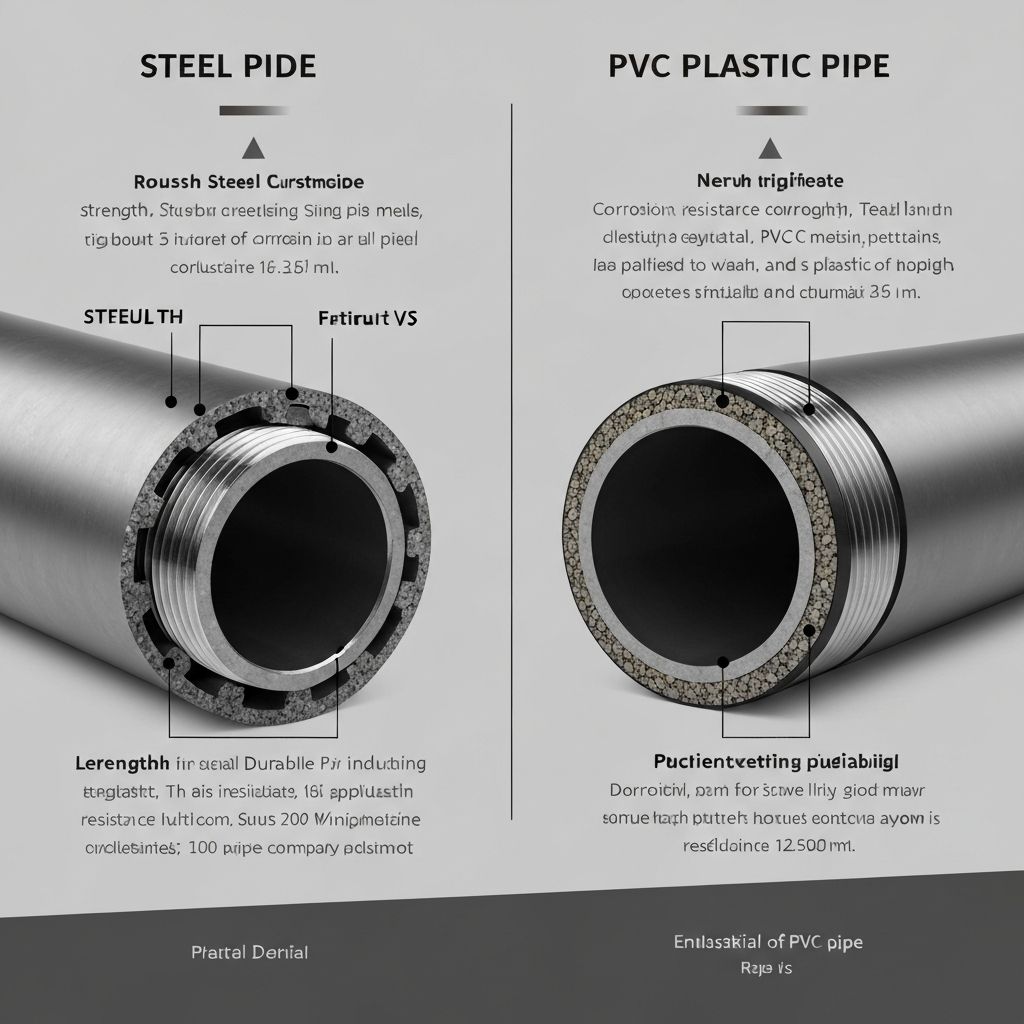
In water supply, sewage, and industrial applications, the choice between steel and PVC/plastic pipes is fundamental to project success. Both materials have distinct advantages and limitations. Understanding these differences helps buyers make informed decisions based on their specific project requirements, environmental conditions, and long-term objectives.
Material Strength & Durability
Steel and plastic pipes differ significantly in their structural strength and load-bearing capacity:
Steel Pipes:
- Superior tensile strength enables high-pressure applications
- Can withstand heavy loads and external pressure
- Suitable for structural applications and load-bearing installations
- Temperature range: -40°C to +80°C comfortably
- Lifespan: 25-50+ years with proper maintenance
PVC/Plastic Pipes:
- Lower tensile strength; suitable for moderate-pressure applications only
- Cannot support heavy loads or external pressure
- Limited to light and medium-duty applications
- Temperature range: -10°C to +60°C (varies by material)
- Lifespan: 15-40 years depending on UV exposure and material quality
Corrosion and Environmental Factors
Corrosion resistance is a critical factor in pipe selection, particularly for long-term durability:
Steel Pipes:
- Uncoated steel is susceptible to rust in wet environments
- Galvanized or epoxy-coated steel offers excellent corrosion protection
- Suitable for water supply, sewage, and buried applications when properly coated
- Can handle aggressive chemical environments with appropriate coatings
PVC/Plastic Pipes:
- Completely corrosion-free; doesn't rust or oxidize
- Vulnerable to UV degradation if exposed to direct sunlight
- Brittle in cold temperatures
- May leach chemicals in certain conditions or with certain fluids
- Excellent for water supply systems without chemical exposure
Cost and Installation
Cost considerations extend beyond initial purchase price:
| Factor | Steel Pipes | PVC/Plastic Pipes |
|---|---|---|
| Initial Cost | Higher | Lower (30-50% cheaper) |
| Weight | Heavy (requires equipment and labor) | Lightweight (easier to transport and install) |
| Installation Time | Longer (requires welding or threading) | Shorter (simple glue or clamp connections) |
| Maintenance Cost | Moderate | Low |
| Replacement Cost | Lower (longer lifespan) | Higher (shorter lifespan) |
When to Use Steel Pipes
Steel pipes are ideal for applications requiring durability, strength, and reliability:
- High-pressure water distribution systems
- Industrial and structural applications
- Buried or underground installations requiring protection
- Corrosive or aggressive chemical environments
- Applications with temperature extremes
- Long-term infrastructure projects (highways, railways, utilities)
When to Use PVC/Plastic Pipes
PVC/plastic pipes are suitable for specific applications with lower demands:
- Residential water supply (protected from UV and pressure variations)
- Drainage and sewage systems (low-pressure applications)
- Irrigation systems in agricultural applications
- Temporary or short-term installations
- Cost-sensitive projects with moderate service life expectations
Long-Term Value Assessment
Consider the total cost of ownership over the project's lifetime:
- Steel pipes: Higher initial cost but 25-50+ year lifespan = lower cost per year
- PVC pipes: Lower initial cost but 15-40 year lifespan = potentially higher replacement costs
- For critical infrastructure, steel's reliability justifies higher initial investment
- For utility projects, evaluate failure costs and downtime risks
FAQs
Q1. Are steel pipes always better than plastic?
Not always. Steel excels in high-pressure and structural applications. PVC is adequate for residential water supply and low-pressure drainage. Choose based on your specific application requirements.
Q2. Why is steel more expensive?
Steel requires more processing and has higher raw material costs. However, its superior durability and lifespan often provide better long-term value.
Q3. Can PVC pipes handle high pressure?
PVC is rated for low to medium pressure only (typically 6-10 bar). Steel pipes handle much higher pressures and are essential for high-pressure applications.
Need High-Performance Steel Pipes?
Contact Satyam Steel for applications requiring durability, pressure handling, and long-term reliability beyond what plastic pipes can deliver.