Steel Price Trends in India 2026
What Every Procurement Manager Should Know
Introduction: India's Steel Market in 2026
India's steel market is experiencing a transformative phase. With ₹12.2 trillion allocated for infrastructure development, strong domestic demand for construction materials, and significant manufacturing investments, the steel market in 2026 presents both opportunities and challenges for procurement managers. Understanding price trends, supply dynamics, and cost optimization strategies is essential for making informed purchasing decisions.
Key Drivers of Steel Prices in 2026
1. Infrastructure Capex Boost
Government spending on highways, railways, metro systems, and urban development is the primary price driver. Strong infrastructure demand keeps prices firm and supply competitive. Procurement managers should expect sustained pricing as demand remains consistent through 2026–27.
2. Raw Material Costs
Iron ore prices, coking coal costs, and scrap metal rates directly impact steel manufacturing costs. Global commodity prices, shipping costs, and logistical expenses influence domestic steel pricing. Monitor international commodity indices for price forecasting.
3. Manufacturing Capacity Utilization
High capacity utilization (above 80%) typically supports stable pricing. As India's steelmakers ramp up production to meet infrastructure demand, pricing stability is expected. Manufacturers with integrated facilities (like Satyam Steel) can offer better pricing due to operational efficiencies.
Steel Price Forecast: H1 vs H2 2026
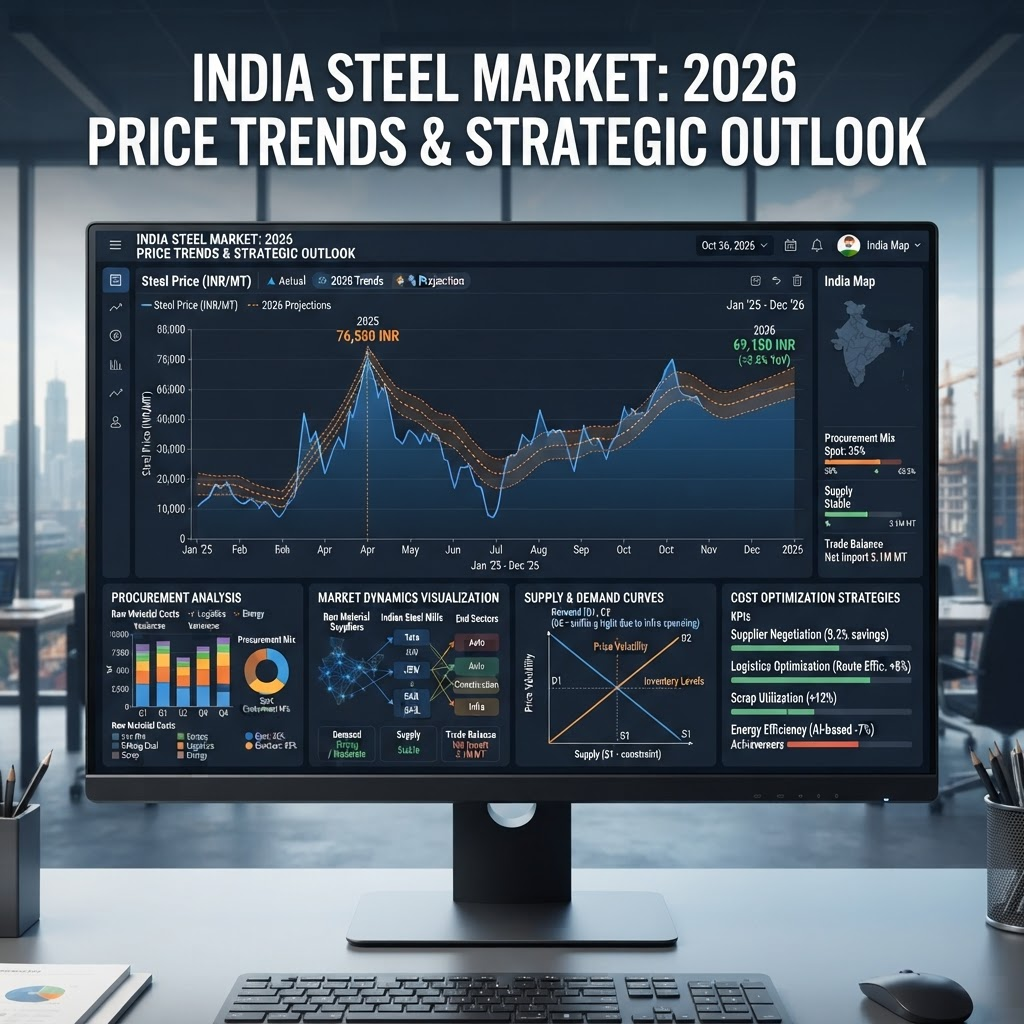
H1 2026 (Jan–Jun): Expect stable to firm prices as infrastructure projects ramp up. Early in the fiscal year, demand is typically highest.
H2 2026 (Jul–Dec): Prices may see minor corrections if raw material costs ease, but overall demand support should prevent sharp declines.
Procurement Strategies for 2026
1. Establish Long-Term Contracts
For large projects, negotiate fixed-price long-term contracts with manufacturers. This locks in costs and provides budgeting certainty. Satyam Steel offers flexible contract terms for bulk orders and long-term partnerships.
2. Direct Manufacturer Engagement
Buying directly from manufacturers like Satyam Steel eliminates middleman markups, often saving 5–10% compared to dealer pricing. Direct relationships also ensure priority allocation during tight supply periods.
3. Bulk Ordering and Volume Discounts
Consolidate procurement needs and place large orders to negotiate better pricing. Manufacturers often offer volume discounts for bulk orders, helping optimize procurement budgets.
4. Flexible Scheduling
Coordinate with suppliers on delivery schedules. Flexibility in timing can open opportunities for better pricing and supply priority. Integrated manufacturers can often adjust production schedules for key customers.
Why Choose Satyam Steel for Price Competitiveness?
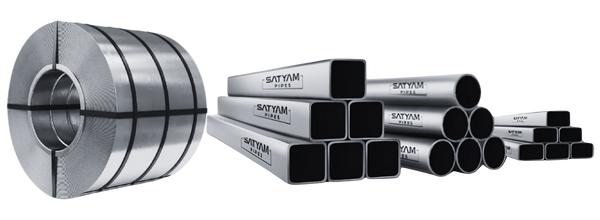
Satyam Steel's integrated manufacturing—producing billets and blooms, HR coils, and ERW pipes in-house—delivers cost advantages that translate to competitive pricing for customers. We offer flexible payment terms, volume discounts, and direct pricing without dealer markups. Our facilities in West Bengal (Durgapur, Asansol, Raniganj) provide excellent logistical access to major markets across India.
FAQs
Q. What factors cause steel prices to fluctuate?
Global commodity prices (iron ore, coal), manufacturing capacity utilization, demand from construction and automotive sectors, and import/export dynamics all influence steel pricing.
Q. How can I forecast steel prices for my 2026 budget?
Monitor global commodity indices, track domestic steel production data, and engage with manufacturers for regular price forecasts. Lock in long-term contracts for budget certainty.
Q. Is buying directly from manufacturers cheaper than dealers?
Yes, typically by 5–10%. Direct manufacturer purchases eliminate middleman margins and offer better terms for large orders and long-term relationships.
Download Price Report and Procurement Guide
Stay informed with Satyam Steel's latest price trends, market analysis, and procurement recommendations for 2026. Contact us for a detailed report.